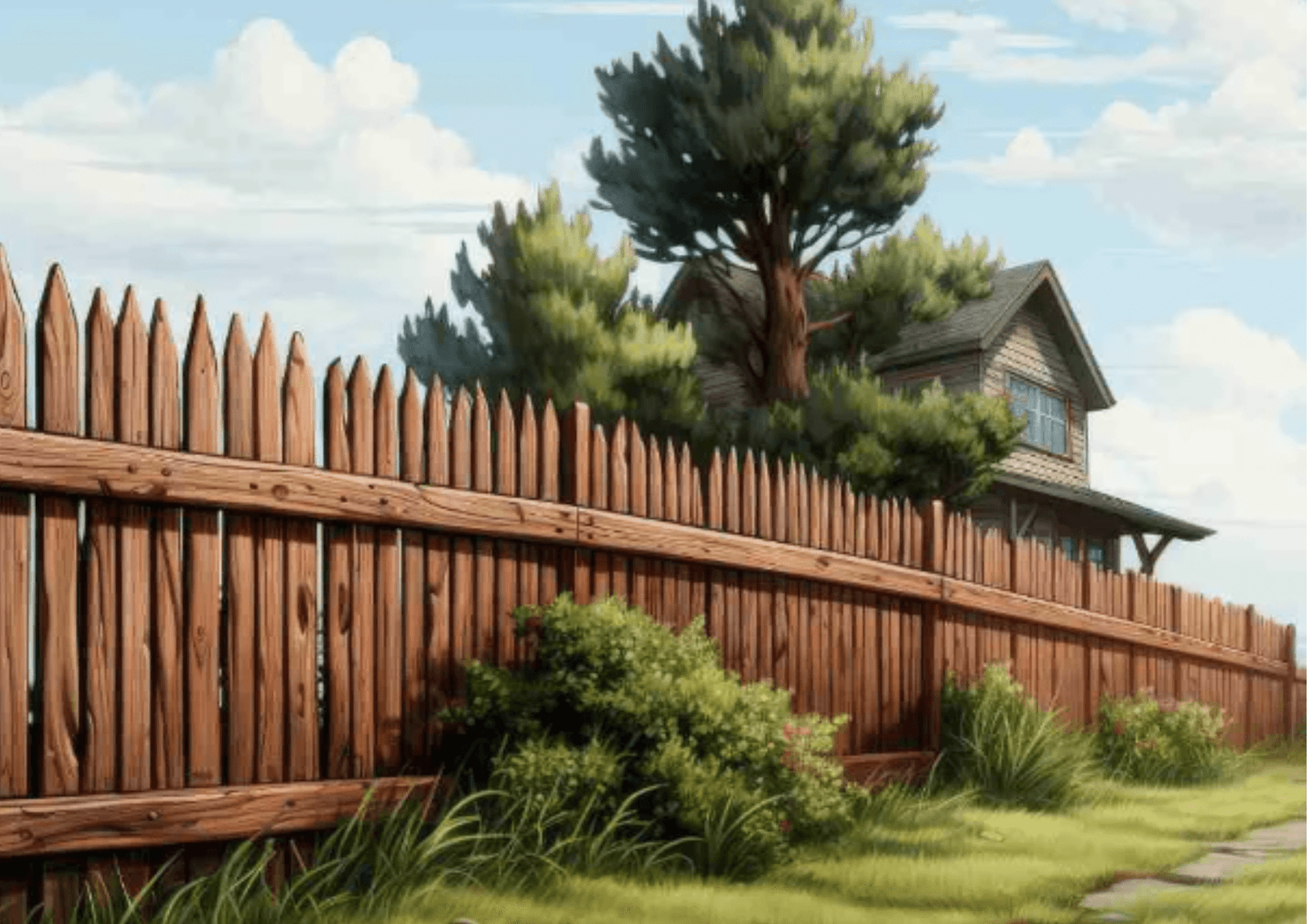
Choosing the right fence height might seem like a minor detail, but it can significantly impact your property’s look and functionality. Whether you’re looking to enhance your privacy, secure your yard, or just add some curb appeal, getting the height just right is crucial. Entering the world of fence height modification opens up a realm of possibilities that can transform your outdoor space.
From sleek designs to sturdy barriers, understanding how tall to go is essential for meeting both aesthetic goals and practical needs. With various factors at play—from local regulations to personal preferences—it’s time to dive into everything you need to know about selecting the best fence height for your home. Ready?
Let’s explore!
Importance of Choosing the Right Fence Height
Choosing the right fence height is more than just a style choice; it serves multiple purposes. A well-measured fence can provide the privacy you crave, shielding your outdoor activities from prying eyes.
Security also plays a vital role. Taller fences deter unwanted visitors and protect your property. They create a sense of safety for both you and your loved ones.
Aesthetics are another consideration. The perfect height complements your home’s architecture while blending harmoniously with the landscape.
Moreover, an appropriately chosen fence height enhances curb appeal, making your property more inviting to guests or potential buyers. Balancing these aspects ensures that you not only meet practical needs but also enhance the beauty of your space effectively.
Factors to Consider When Choosing a Fence Height
Choosing the right fence height involves several important considerations.
- First, think about your main purpose for installing a fence. Is it for privacy, security, or decorative appeal? Each goal may require a different height.
- Next, assess your property’s layout and landscape. If your yard slopes downward or has varied elevations, you might need adjustments to ensure consistent coverage and effectiveness.
- Don’t forget about safety concerns. A taller fence can deter intruders but may also block visibility if placed next to roadways or sidewalks.
- Consider the surrounding environment as well. Trees or structures nearby could influence how tall your fence should be to maintain aesthetics while serving its intended function.
- Remember that personal preference plays a significant role in determining what feels right for you and complements your home’s design.
Common Fence Heights and Their Purposes
When choosing a fence, understanding common heights and their purposes is crucial. A standard picket fence typically stands at about 3-4 feet tall. It’s perfect for defining boundaries while maintaining an open feel.
For privacy, many homeowners opt for fences around 6 feet high. This height effectively blocks views and creates a secluded outdoor space, ideal for relaxing or entertaining.
If security is your primary concern, taller options are available—often reaching up to 8 feet or more. These fences deter intruders and keep pets safe within the yard.
In some cases, decorative fencing can be slightly lower but still functional. Garden trellises often reach around 5 feet, combining aesthetics with support for climbing plants.
Each height serves its unique purpose based on personal needs and preferences in design or functionality. Understanding these distinctions helps in making informed decisions about which type of fence suits your property best.
Local Regulations and Zoning Laws for Fence Height
Before you decide on a fence height, it’s crucial to understand local regulations and zoning laws. These rules vary significantly from one area to another.
Many municipalities impose restrictions on how tall your fence can be. Often, front yard fences have stricter limits than those in backyards. The purpose of these regulations is generally to maintain neighborhood aesthetics and ensure safety.
Check with your local planning department or homeowners association for specific guidelines. Some areas even require permits for certain heights or types of fencing materials.
Ignoring these laws can lead to fines or the costly process of removing an improperly installed fence. By staying informed about regulations, you not only avoid headaches but also contribute positively to your community’s visual appeal.
Pros and Cons of Different Fence Heights
Choosing the right fence height can significantly impact your property.
- Tall fences offer increased privacy and security, making it harder for intruders to access your yard. They also block noise from nearby streets, creating a peaceful environment.
- However, tall fences may not be aesthetically pleasing to everyone. In some neighborhoods, imposing structures can disrupt the visual harmony of the area.
- On the other hand, shorter fences provide an open feel and promote neighborly interactions. They’re often easier to install and maintain as well.
- Yet they might not deter unwanted visitors or provide adequate seclusion from prying eyes.
- Balancing privacy with aesthetics is key when considering different heights. Each option has its own set of benefits and drawbacks that deserve careful thought before any decision is made.
Tips for Modifying Fence Height
- Modifying your fence height can enhance privacy and security. Start by checking local regulations to avoid fines or having to remove your adjustments.
- Consider using a fence height extender. These often come in pre-made sections that attach directly to existing panels, providing an easy solution without a complete overhaul.
- If you prefer a more customized approach, think about adding lattice or trellis tops. They offer style while increasing height and allowing for climbing plants, which can create natural beauty.
- Before proceeding, evaluate the materials of your current fence. Some may need reinforcement to support added weight from extensions or enhancements.
- Consult with Quality Fencing if you’re unsure about the process. Our expertise ensures modifications meet safety standards while aligning with your vision for quality fencing.
Conclusion
Choosing the right fence height is essential for achieving both functionality and aesthetic appeal. Whether you seek privacy, security, or simply a way to define your property boundaries, understanding the various factors involved can make all the difference.
Local regulations and zoning laws play a crucial role in determining what’s permissible in your area. It’s important to research these before proceeding with any modifications or installations. Additionally, weighing the pros and cons of different heights will help align your choices with your needs.
Whether you’re looking for affordable fencing services or exploring quality fencing solutions, remember that every project begins with careful consideration of height and design based on purpose and preference. The right approach can not only enhance your outdoor space but also add value to your home over time.
As you embark on this journey toward customization and improvement of your property through effective fence height modification, contact Quality Fencing for success.